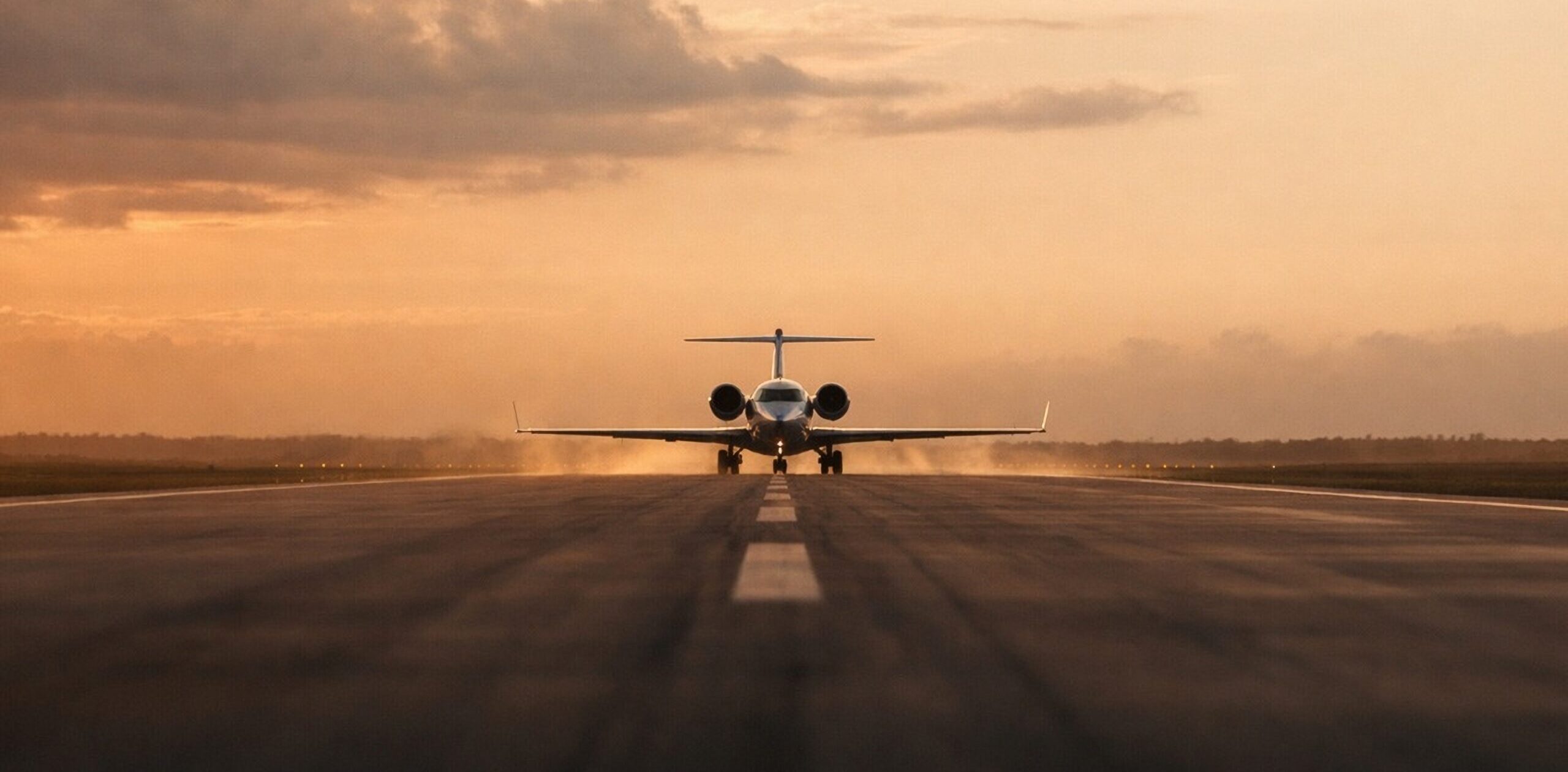
 Решение о замене бизнес-джета предполагает нечто большее, чем просто желание приобрести новый самолет.. Ключевым моментом является оценка контролируемых затрат, таких как расход топлива., резервы на техническое обслуживание, и риск простоя из-за неизбежных расходов. Владельцам самолетов следует проанализировать тенденции роста затрат, сроки технического обслуживания, и вероятность сбоев в работе, чтобы определить, имеет ли замена финансовую целесообразность. Ограничения цепочки поставок и меняющиеся экологические нормы еще больше влияют на решение..
Понимание основного решения
Переосмысление бизнес-джета редко является вопросом, будет ли лучше иметь что-то новое.. Обсуждение должно вращаться вокруг устранения издержек и рисков, которых можно было бы избежать.. Когда стоимость вашего существующего самолета превышает дополнительные затраты на переход на другой самолет, это должно стать фактором принятия решения.
Неустойчивые цены на топливо, рост затрат на техническое обслуживание, увеличение времени простоя самолетов будет иметь большое значение при принятии решения., наряду с растущим контролем ESG и выбросов, обусловленным политикой и ожиданиями заинтересованных сторон.
Владение самолетами всегда было тонко сбалансировано между финансовыми, оперативный, и миссия соответствует, но сегодня растущие затраты на детали и рабочую силу в сочетании с ограниченной мощностью цеха MRO могут превратить текущее техническое обслуживание в длительные мероприятия AOG..
Решение о сохранении или замене существующего самолета все чаще зависит от прогнозируемого роста затрат на техническое обслуживание., временной риск, и способность конкретного владельца воздушного судна компенсировать сбои в работе приземлившегося самолета..
Отделение предотвратимых и неизбежных затрат
Практический способ оценить, стоит ли сохранять или заменять самолет, — это отделить неизбежные затраты от затрат, которых можно избежать.. Неизбежные затраты изменятся относительно мало., независимо от самолета, например, компенсация пилоту, аренда ангара и минимальная страховка (среди других).
Предотвратимые затраты, тем временем, включать такие области, как сжигание топлива, резервы на техническое обслуживание, воздействие посещения магазина, и риск простоя. Они существенно различаются в зависимости от возраста и типа самолета..
Новые самолеты обычно уменьшают воздействие топлива и нестабильность технического обслуживания., в то время как старые самолеты несут более высокий риск более длительных очередей в магазинах, нехватка запчастей, и мероприятия AOG.
Влияние затрат на топливо
Как наибольшие переменные издержки, топлива обычно составляет около 35-45% операционного бюджета владельца воздушного судна. более того, цены на топливо очень нестабильны. Замена старого самолета может частично снизить затраты на топливо при наборе высоты за счет меньшего почасового расхода топлива и повышения эффективности миссии, особенно когда нынешний самолет увеличивает косвенные затраты на топливо из-за необходимости дополнительных остановок или неэффективных маршрутов..
Обслуживание: Вторые по величине эксплуатационные расходы
Техническое обслуживание, как правило, занимает второе место по величине эксплуатационных расходов.. Ключевой вопрос не должен сосредотачиваться на средней стоимости обслуживания., но могут ли крупные события произойти в течение запланированного периода владения, и каково будет потенциальное время простоя.
Затраты и время простоя будут усугубляться ограничениями в цепочке поставок., и в некоторых случаях одно это может стать веским аргументом в пользу замены самолета.
Когда замена имеет финансовый смысл
Проще говоря, замена самолета имеет финансовый смысл, если затраты можно контролировать (сжигание топлива, сюрпризы при обслуживании, и риск простоя) начинают обостряться и перевешивают выгоды от сохранения самолета.
Замена обычно имеет наибольший смысл, когда воздушное судно является критически важным активом для владельца., и стоимость недоступности (из-за внезапных и неожиданных событий технического обслуживания) высокий.
Это особенно актуально для владельцев с умеренным или высоким уровнем использования имеющихся самолетов., графики, зависящие от времени, и которые пострадают от существенного воздействия на свой бизнес в результате сбоя. Ситуация становится еще более убедительной, когда крупные мероприятия по техническому обслуживанию, скорее всего, попадут в запланированный период владения активом..
Нажмите здесь, чтобы продолжить чтение
Оригинальный статья Опубликован в avbuyer.com