
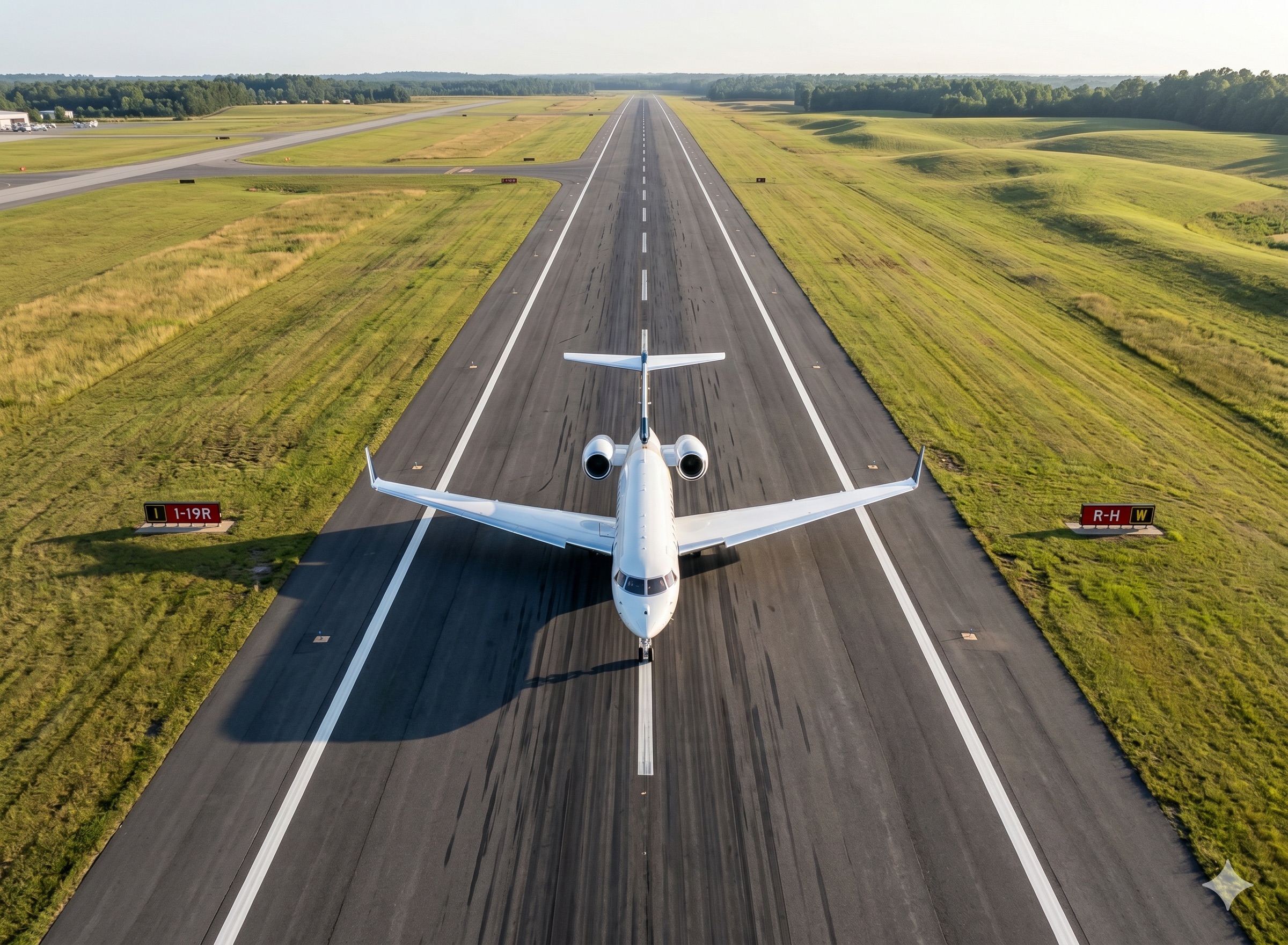
 Determinar el momento adecuado para reemplazar un avión comercial requiere equilibrar los riesgos operativos con las consideraciones financieras.. Este artículo examina cómo los aviones envejecidos acumulan tiempo de inactividad y riesgos de mantenimiento mientras explora si se debe conservar un avión más antiguo., comprar un avión usado más nuevo, o invertir en un reemplazo nuevo de fábrica. A través de modelos financieros detallados y estudios de casos del mundo real., Descubra cómo los costos operativos netos y el análisis del VPN pueden guiar las decisiones estratégicas de reemplazo de aeronaves..
Previamente, establecimos que un avión de negocios debe ser reemplazado cuando su perfil de riesgo comienza a superar el beneficio. Este punto de inflexión rara vez está impulsado por un solo costo., sino por el efecto combinado del aumento del riesgo de tiempo de inactividad, la creciente probabilidad de eventos de mantenimiento importantes, ineficiencia de combustible, y crecientes cargas regulatorias y de cumplimiento.
A medida que los aviones envejecen, Crece la volatilidad operativa. Más días de AOG, visitas más largas al taller MRO, restricciones de piezas, y una mayor exposición a interrupciones no planificadas aumentan.
Cuando el costo esperado de estos riesgos (particularmente el tiempo de inactividad de la aeronave que afecta directamente al negocio) se acerca o excede el costo de capital y financiamiento de una aeronave de reemplazo., el reemplazo se justifica económicamente.
Aviones de reemplazo: Identificar la solución de mayor valor agregado
El siguiente caso de negocio refleja el de una empresa mediana- a una corporación de gran tamaño llamada 'Corporación Alfa', que opera un viejo jet súper mediano.
El avión vuela 175 horas al año, complementado con aproximadamente 50 Las horas de alquiler se utilizan selectivamente como una compensación de costos en lugar de una estrategia central de ingresos.. El servicio chárter se utiliza únicamente para reducir los costos fijos de propiedad durante los períodos de inactividad del avión..
Corporation Alpha considera la propiedad de aviones a través de una lente de planificación de capital a mediano plazo, no como una tenencia a largo plazo ni como un activo comercial a corto plazo. El período de tenencia supuesto es de cinco años., alineado con la obsolescencia de la flota y los ciclos de inversión corporativa. La disciplina del capital es central, con el reemplazo de aviones compitiendo directamente con otros usos corporativos del capital.
Para apoyar la decisión sobre si reemplazar la aeronave o no., la compañía evalúa tres opciones en un horizonte de cinco años:
- Conservar el antiguo avión existente.
- Reemplácelo con un jet usado más nuevo
- Adquirir un avión nuevo de fábrica.
La evaluación utiliza un modelo financiero estructurado y varios supuestos diseñados para identificar la opción que ofrece la mayor solidez., valor ajustado al riesgo.
Análisis de horas de vuelo de costo neto por propietario
Con la evaluación de Corporation Alpha basada en el costo neto por hora de vuelo del propietario. (después de la compensación del fletamento) el objetivo es responder una pregunta sencilla: ¿Qué opción sería más barata de operar por hora?? Dejando de lado la estructura de capital y el VAN, El análisis aísla la eficiencia operativa pura y la confiabilidad..
Bajo este análisis, Mantener el avión más antiguo se vuelve materialmente más caro., debido a su mayor tiempo de inactividad y riesgos de confiabilidad. Por el contrario, La opción de reemplazo de aviones nuevos de fábrica ofrece el costo operativo más bajo., pero requiere el mayor compromiso de capital.
El avión de reemplazo nuevo de fábrica ofrecería el menor consumo de combustible (a 220 gph), con el nuevo modelo usado muy cerca (235gph). Debido a que los precios del combustible son uno de los mayores impulsores de costos variables, Se refuerza el caso de reemplazar el jet existente.
Un avión usado más nuevo ofrece el mejor equilibrio práctico, Reducir significativamente el AOG y la exposición al combustible de los aviones existentes, evitando al mismo tiempo el mayor costo fijo y carga de capital..
Un aumento de 1 dólar por galón respecto del precio base del combustible penalizaría desproporcionadamente a los aviones más antiguos., mientras que el impacto es menor para las opciones más nuevas, usadas y nuevas de fábrica..
Comparado con el jet actual., Menos días AOG esperados para los vehículos usados más nuevos también se traducen directamente en un menor costo neto por hora de propietario., a través de una mayor confiabilidad en el envío.
Aunque la opción nueva de fábrica minimizaría el consumo de combustible., falta del tiempo, y la variabilidad del mantenimiento de forma más efectiva, la nueva opción usada captura gran parte de este beneficio a un menor costo de capital. Con un coste neto por hora de propietario inferior a 1% más alto que el nuevo de fábrica, La opción recomendada según esta métrica sería reemplazarlo con un avión usado más nuevo., ofreciendo el mejor equilibrio de eficiencia operativa, reducción de riesgos, y disciplina capital.
Evaluación del costo del VPN para aeronaves de reemplazo
Siguiente, Un análisis de costo VPN aborda una pregunta más fundamental.: ¿Qué opción minimiza las salidas de efectivo totales descontadas hacia el capital durante el período de propiedad propuesto de cinco años?? En otras palabras, ¿Qué elección de avión destruye el menor valor en términos de valor presente una vez que se despliega el capital?, financiación, y el valor residual se contabilizan en su totalidad?
El avión usado más nuevo ofrece el costo VPN más bajo, convirtiéndola en la opción más eficiente económicamente.
Así, Con la nueva opción de segunda mano que logra el mejor equilibrio entre eficiencia de capital y riesgo operativo., Corporation Alpha está bien situada para tomar una decisión bien informada sobre la sustitución de aviones.
Comparado con la nueva opción de fábrica, Los aviones usados más nuevos requieren mucho menos capital inicial y un menor nivel de financiación. (reducir significativamente el interés durante el período de tenencia). Si bien el avión nuevo de fábrica ofrece un consumo de combustible ligeramente mejor y una mayor confiabilidad, esos ahorros son insuficientes para compensar la mayor carga financiera en este escenario.
En cuanto al mantenimiento de los aviones más antiguos, La ventaja de evitar el costo de una nueva compra desaparece rápidamente una vez que se producen eventos de mantenimiento importantes ponderados por probabilidad., mayor riesgo de AOG y tiempo de inactividad, envejecimiento y exposición al cumplimiento, y se agregan costos variables significativamente más altos.
Haz click aquí para seguir leyendo
Originario artículo Publicado en avbuyer.com